
the why: the blood shortage in america
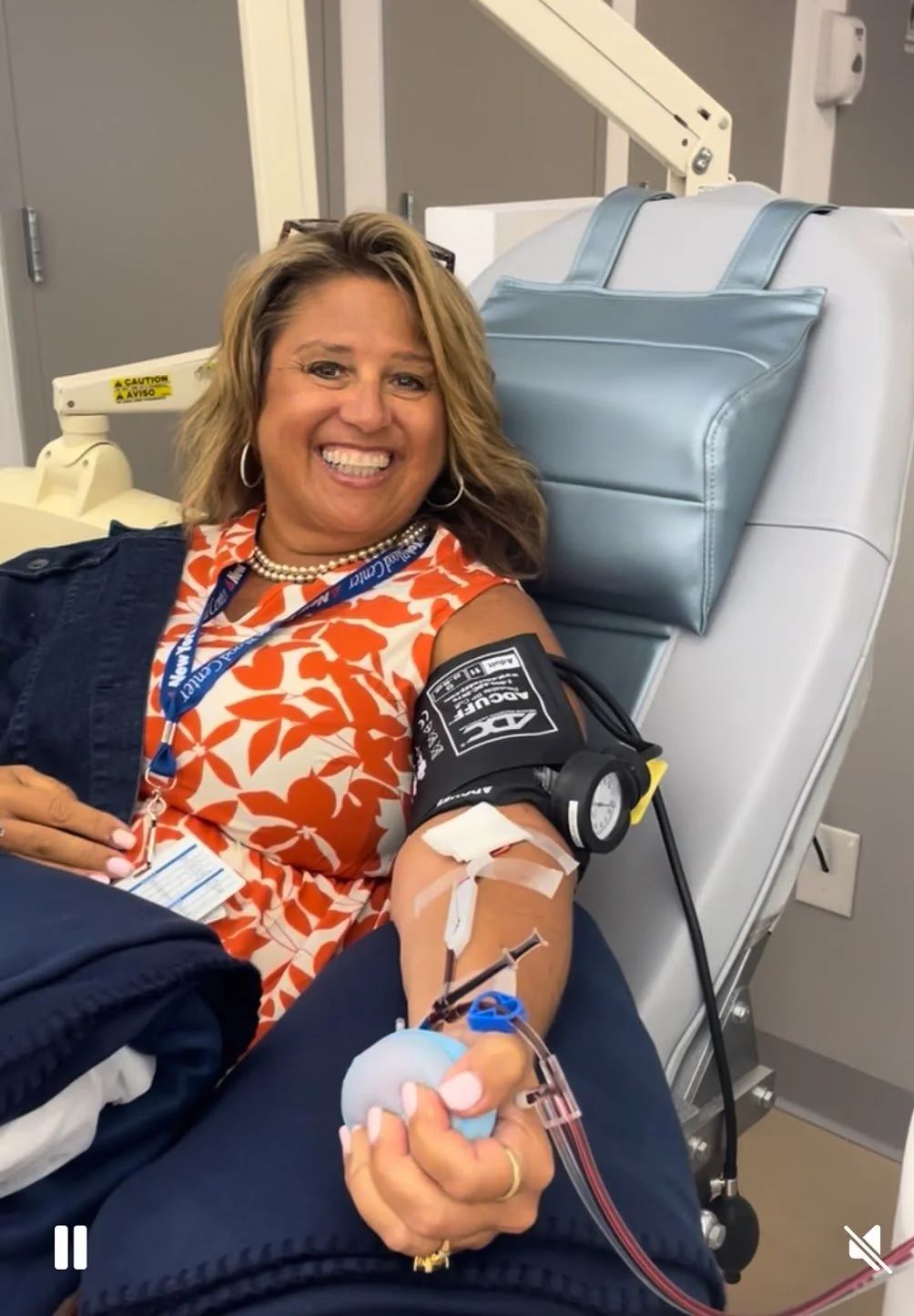
Miles of Kindness is more than a documentary. It's a movement to inspire blood donation, raise awareness about the blood shortage, and remind people that one act of kindness can save a life.
Throughout the Route 66 journey, the Miles of Kindness duo will partner with local blood centers, hospitals, donors, survivors, and local communities to spotlight stories connected to:
Pediatric cancer
Sickle cell disease
Trauma care challenges
Rural healthcare access
Oncology
Challenges with donation eligibility
These patients use blood products every day.
The film features these critical challenges:
DIVERSE DONORS:
Patients with conditions like sickle cell disease often need closely matched blood, but blood centers struggle to reflect the diversity of the communities they serve. Increasing donations from underrepresented racial and ethnic groups is critical to improving patient outcomes.
disenfranchised potential donors:
Historical barriers, outdated policies, misinformation, and restrictive eligibility rules have discouraged some individuals from donating blood. Building trust, giving accurate information, and improving access can help engage communities that have traditionally been excluded from blood donation.
lack of young donors:
Blood donations from younger generations have declined significantly in recent years, about 50% in the last 10 years, threatening the long-term stability of the blood supply. Recruiting new, younger donors is essential to sustaining future donation efforts.
Lori and Marie are ALSO driven by these troubling stats:
In recent years, there has been a 50% reduction in donors under the age of 30.
Only about 3% of the eligible population in the U.S. donates blood.
Approximately 60% of blood donations come from people over the age of 40. The donor base is heavily reliant on older adults, with about 45% of donations coming from those older than 50.
Policy issues:
Blood centers face ongoing challenges related to funding, donor recruitment, and public awareness. Many organizations are advocating for policies that expand outreach efforts and strengthen the nation's blood supply infrastructure, while others are fighting against policies that are currently making recruitment harder.
advocating for blood centers on capitol hill
America’s Blood Centers has been working hard to advocate for blood centers at the legislative level. You can do your part by engaging with your local representatives about these issues. Advocacy work is ongoing, and your continued support is invaluable. We will continue to keep you posted as we advance these important policy priorities.
-
The Department of Defense has announced a new TRICARE demonstration project testing dedicated reimbursement for prehospital blood transfusions on ambulances, a direct result of advocacy America's Blood Centers and coalition partners drove through Blood Advocacy Week.
-
Rep. Debbie Dingell (D-MI) will introduce the House companion bill to the Expanding Access to Palliative Care Act in the coming week(s), offering critical bicameral recognition of the importance of blood transfusion in hospice care.
-
Research shows that every minute of delay in accessing blood increases mortality odds by 5%. With more than half of trauma victims dying before ever reaching the hospital, every moment counts. However, a critical gap exists in our emergency medical services: most patients don't receive their first transfusion until they reach the hospital, regardless of transport time.
Prehospital blood transfusions benefit patients with severe bleeding, including trauma, postpartum hemorrhage, or aortic and brain aneurysms. However, due to outdated payment policies and scope of practice laws, the ability to carry and administer prehospital blood is limited.
-
Blood centers are the lifeblood of our nation's healthcare system, ensuring a safe and sufficient blood supply for patients in need. These vital organizations serve our health care system, supporting everything from routine surgeries to emergency trauma responses.
Yet, in an increasingly digital world, blood centers face a new and formidable challenge: sophisticated cyberattacks. Recent incidents have exposed the vulnerability of these critical institutions to malicious actors, with potentially devastating consequences
-
Each time a new donation site is opened, a blood center must go through an extensive licensure process to add the new site to their existing Blood License Application (BLA). This process can take more than a year, despite the blood center using the same Standard Operating Procedures (SOPs), devices, and staff as their primary licensed facility.
Proposed Solution: Update the FDA licensure process to allow blood centers to quickly and safely meet changing demands for blood components.
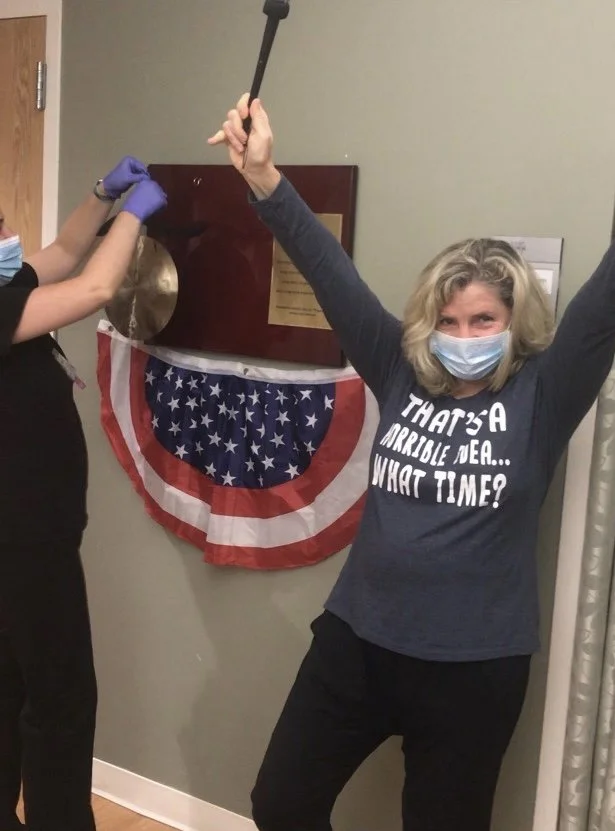
“This project is about reminding people how powerful kindness can be and showing the real lives impacted every day by blood donors. It’s personal for Lori and I.”
Marie Forrestal, Cancer Survivor and Advocate